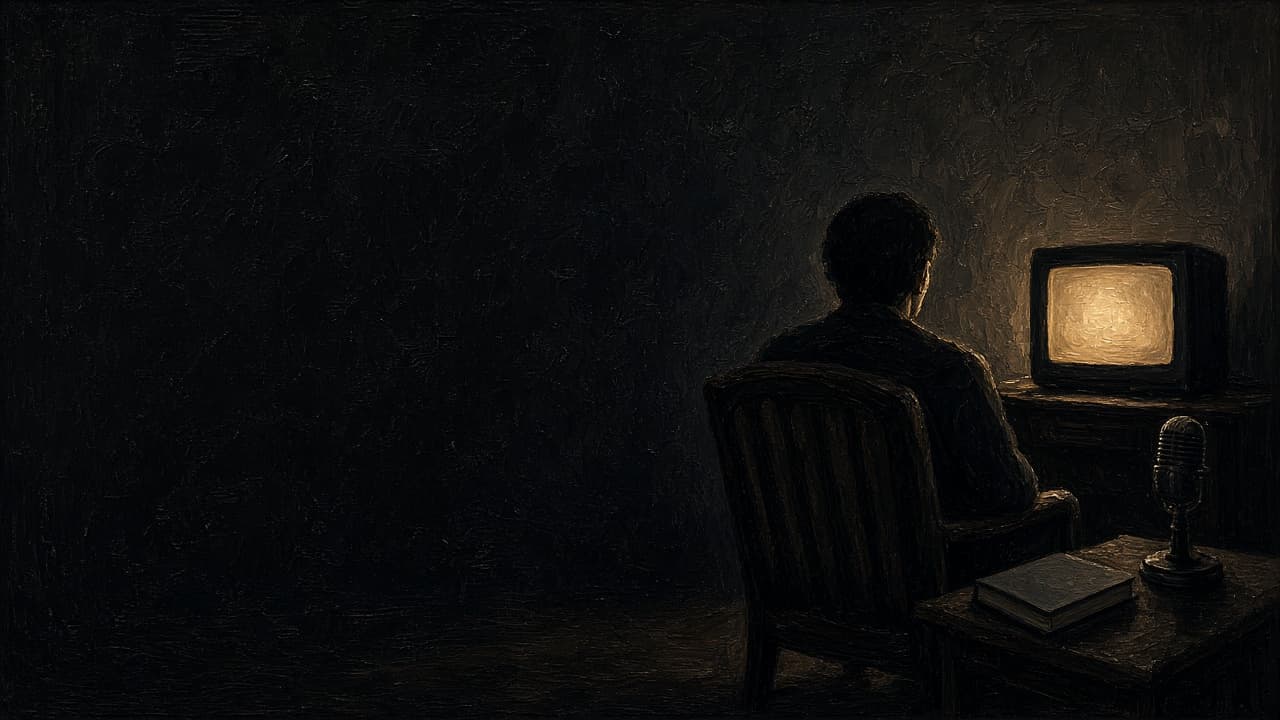
At the 2026 Sundance Film Festival, the documentary 'Ghost in the Machine' premiered, presenting a chilling examination of artificial intelligence and its historical roots. Directed by Valerie Veatch, the film runs for 110 minutes and is described as an urgent piece that delves into the troubling connections between technology and societal issues.
The film features the insights of over 30 experts, including Adam Becker, Emily M. Bender, Ezekiel Dixon-Román, Alix Dunn, Keira Havens, Nick Rodello, and Tiera Tanksley. It traces the development of technologies that have led to today's machine learning and text-to-image models, while simultaneously highlighting how these advancements are intertwined with themes of control, domination, and scientific racism.
In the documentary, early chapters focus on the eugenicist and racist ideologies of key figures who contributed to the foundation of Silicon Valley. Dixon-Román discusses how many models developed by mathematicians like Karl Pearson were rooted in eugenics, which continue to influence modern machine learning technologies. The film features historical footage, including a televised interview with William Shockley, who proposed a controversial sterilization plan.
Becker, during a post-premiere Q&A, remarked on the shifting political landscape of Silicon Valley, suggesting that the ethos of its billionaires has never truly aligned with progressive values. 'Ghost in the Machine' aims not only to excavate history but to connect these historical dots in a way that is accessible to viewers.
Veatch argues that artificial intelligence has become more of a marketing term than a genuine technological advancement. The documentary includes a segment where computer scientist John McCarthy discusses the origins of the term 'artificial intelligence,' which was initially coined as a simplified explanation for potential investors. The film suggests that the promises of a forthcoming general artificial intelligence are often just sales pitches.
The inspiration for the documentary arose when Veatch was invited to test a new AI tool that claimed to democratize filmmaking. Upon using it, she recognized the problematic nature of such technologies and sought to address these issues through interviews with knowledgeable individuals.
The film incorporates generative AI images to illustrate points made by interviewees, showcasing the increasingly sophisticated outputs of these technologies. Veatch faced challenges in distinguishing between real and AI-generated content, leading to creative solutions for labeling in the documentary. Audience members received 'Not AI' pins after the premiere, further emphasizing the film's message about the blurred lines between reality and artificiality.
While much of 'Ghost in the Machine' presents a grim outlook on the state of artificial intelligence, it serves as a critical examination of the technology's implications for society. Paranormal Country has not confirmed the claims made in the documentary.
Image: Paranormal Country · Source: sundance.org